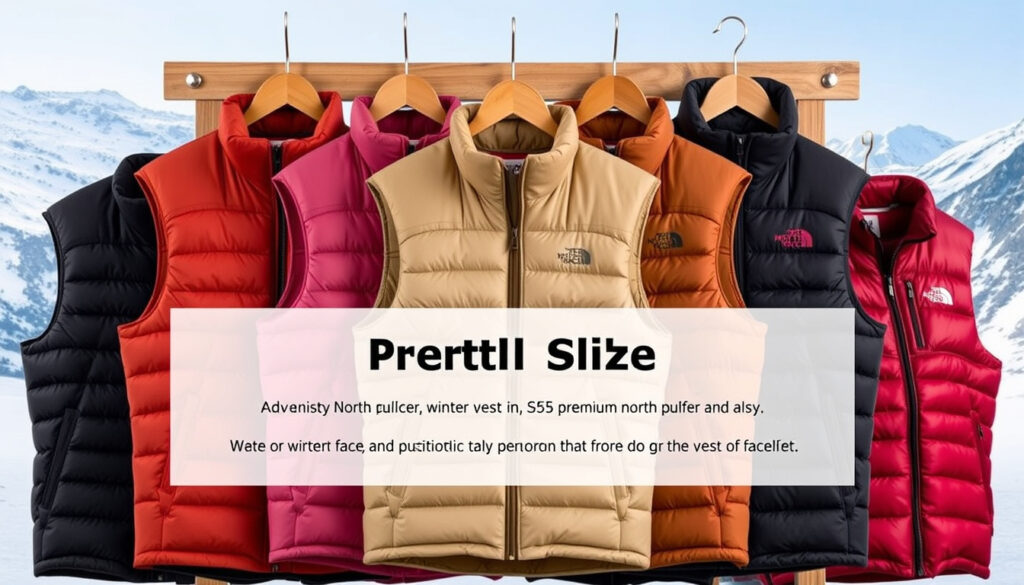
North Face Puffer Vest – Best Models and Sizing Guide
The North Face puffer vest has become a staple for anyone seeking lightweight warmth during cooler months. These vests combine synthetic insulation with wind-resistant fabrics to deliver reliable comfort without the bulk of traditional outerwear. Whether navigating city streets or tackling outdoor trails, the ThermoBall series represents the brand’s flagship approach to accessible, performance-driven layering.
Understanding which model suits your needs requires examining insulation technology, sizing precision, and how these vests perform in specific conditions. This guide breaks down everything prospective buyers need to know before making a purchase decision.
What Is the Best North Face Puffer Vest?
The Men’s and Women’s ThermoBall Trekker Vests stand as the primary options within this category. Both feature the brand’s proprietary ThermoBall insulation, a synthetic fill designed to mimic the warmth-to-weight ratio traditionally associated with down insulation.
The men’s version carries the product code NF0A8D1Q, while women’s styles use NF0A8D41. Both leverage 20D recycled polyester WindWall fabric throughout their construction.
- ThermoBall insulation provides down-like warmth without animal products
- WindWall fabric delivers wind resistance for exposed conditions
- Non-PFC DWR finish adds water repellency without harmful chemicals
- 100% recycled polyester construction supports environmental goals
- Packable design allows easy stowing during temperature changes
- Standard fit accommodates layering without restriction
| Model | Center Back Length | Average Weight | Water Resistance |
|---|---|---|---|
| Men’s ThermoBall Trekker | 25.5″ | 11 oz (313g) | Water-repellent |
| Women’s ThermoBall Trekker | 23.25″ | 9.2 oz (261g) | Water-repellent |
Is the North Face Puffer Vest Warm Enough for Winter?
ThermoBall insulation achieves a balance between warmth and compressibility that performs well in cold, dry conditions. The synthetic fill clusters replicate down baffles, trapping air efficiently to retain body heat across a range of temperatures.
Understanding Warmth Ratings
The insulation provides substantial warmth for its weight class. WindWall fabric reinforces this by blocking cold air penetration, which proves particularly valuable during high-exposure activities or breezy conditions. The combination performs reliably in temperatures where heavier insulation would become excessive.
ThermoBall insulation maintains warmth even when damp, unlike traditional down which loses insulation value significantly when wet. This makes the vests more forgiving in variable weather conditions.
Water Resistance Capabilities
The DWR (Durable Water Repellent) finish allows these vests to handle light precipitation effectively. Light snow and brief rain encounters won’t immediately saturate the outer fabric. However, the construction is water-repellent rather than fully waterproof. Extended exposure to heavy rain or sustained wet conditions will eventually compromise the insulation’s performance.
Best Conditions for ThermoBall Vests
- Cool to cold weather during active pursuits
- Layering piece beneath a heavier shell jacket
- Urban commuting where packability matters
- Trail use where moisture exposure remains limited
- Transitional seasons with variable temperatures
North Face Puffer Vest Sizing and Fit Guide
ThermoBall vests run true to size with a standard fit that accommodates base layers and midlayers without excessive bulk. The brand recommends measuring chest or bust approximately one inch below the armhole for accurate sizing.
Men’s Size Chart
| Size | Chest (inches) | Body Length at Back |
|---|---|---|
| S | 36–38 | 26.875″ |
| M | 39–41 | 27.5″ |
| L | 42–44 | 28.375″ |
| XL | 45–48 | 29.375″ |
| 2XL | 49–52 | 30.375″ |
| 3XL | 53–56 | 31.375″ |
Women’s Size Chart
| Size | Bust (inches) | Body Length at Back |
|---|---|---|
| XS (4/6) | 33–35 | 25.375″ |
| S (8/10) | 36–38 | 26″ |
| M (12/14) | 39–41 | 26.875″ |
| L (16/18) | 42–44 | 27.75″ |
| XL (20/22) | 45–48 | 28.625″ |
Product-specific measurements may vary slightly from general size charts. Consulting the official sizing resources before ordering ensures the best possible fit for your body proportions.
Those between sizes should typically size up to allow comfortable layering underneath without restriction. The standard fit accommodates this adjustment without appearing excessively loose.
Do North Face Puffer Vests Run Large?
Based on available product specifications, ThermoBall vests maintain a true-to-size fit without significant excess. The center back measurements and overall construction align with standard sizing expectations. However, individual body proportions and layering preferences may influence whether a wearer perceives the fit as relaxed or precisely sized.
North Face Puffer Vest Reviews and Buying Tips
Published product descriptions emphasize warmth-to-weight efficiency and versatile layering capability. Official product pages highlight the vests as solutions for active lifestyles where temperature regulation and packability matter.
Price and Value Considerations
ThermoBall vests historically retail between $150 and $200 depending on color and specific model. Prices fluctuate based on seasonal sales and retailer promotions. The brand’s official website represents the most reliable source for current pricing information.
Material Construction
Both men’s and women’s models utilize 100% recycled polyester throughout the shell and linings. The WindWall fabric technology provides wind resistance while the non-PFC DWR treatment delivers water repellency without perfluorinated compounds. This construction appeals to environmentally conscious consumers seeking reduced ecological impact.
The recycled polyester construction and non-PFC DWR finish represent the brand’s efforts to minimize environmental harm compared to conventional materials. These choices address growing consumer concern about outdoor gear manufacturing practices.
Care and Maintenance
Proper care extends the functional lifespan of synthetic insulation. Machine washing in cold water followed by tumble drying on low heat helps maintain loft and insulation performance. Adding clean tennis balls during the drying cycle assists in restoring the insulation’s original distribution and thickness.
How Does the ThermoBall Vest Compare to Alternatives?
ThermoBall insulation prioritizes wet-weather reliability over maximum compressibility. Unlike premium down insulation, which loses loft when saturated, ThermoBall maintains insulation value in damp conditions. This characteristic makes the vests particularly suitable for climates with unpredictable weather or high humidity.
Established Performance Characteristics
- Synthetic insulation maintains warmth when damp
- True-to-size fit accommodates various body types
- WindWall fabric provides effective wind blocking
- Water-repellent finish handles light precipitation
- Recycled materials support sustainability goals
Information Requiring Further Verification
- Long-term durability reports beyond initial seasons
- Comparative warmth ratings against specific competitors
- Consumer satisfaction data across multiple retailers
- Specific care requirements for maximum longevity
Where to Buy North Face Puffer Vests
Authorized retailers include the official brand website, major outdoor retailers, and department stores carrying outdoor recreation merchandise. Purchasing through verified channels ensures product authenticity and access to warranty coverage.
For additional outdoor gear comparisons and purchasing guides, readers may find resources such as REI’s comparison of down versus synthetic insulation helpful for context when evaluating different insulation technologies.
Summary
The North Face ThermoBall vests offer a practical combination of warmth, water resistance, and environmental responsibility. True-to-size fit and recycled materials address both functional and ethical considerations. Buyers seeking lightweight layering for cool-to-cold conditions will find the ThermoBall series a capable option, particularly when conditions may involve moisture exposure.
Frequently Asked Questions
What is the difference between men’s and women’s North Face puffer vests?
Women’s versions feature shorter center back lengths (23.25″ versus 25.5″), lighter weights (9.2 oz versus 11 oz), and proportional sizing adjusted for average female body dimensions.
Are North Face puffer vests waterproof?
These vests are water-repellent rather than fully waterproof. The DWR finish handles light snow and brief rain effectively but will not withstand extended heavy precipitation.
How much do North Face ThermoBall vests cost?
Historical retail pricing ranges from approximately $150 to $200 depending on the specific model and color selection.
Can I wash a North Face puffer vest in a washing machine?
Yes, machine washing in cold water is recommended. Tumble dry on low heat with tennis balls to restore insulation loft.
Do ThermoBall vests run true to size?
Based on available specifications, these vests run true to size with a standard fit that accommodates base layers comfortably.
What temperatures are ThermoBall vests suitable for?
The vests perform well in cool to cold conditions where active layering is involved. Specific temperature ranges vary based on individual metabolism and layering systems.
How does ThermoBall insulation compare to down?
ThermoBall provides down-like warmth-to-weight ratio while maintaining insulation value when damp, unlike traditional down which loses significant warmth when wet.
More related posts
 Sylvia Park Opening Hours: Late Night & Parking Guide
 Spring Hill Corrections Facility: Visits, Inmate Life & Security
 How to Check Countdown Gift Card Balance Online | Woolworths NZ
 Five Nights at Freddy’s 2: Age Rating, Reviews & Where to Watch
 Ball and Socket Joint: Anatomy, Function, and Treatment
 Hawke’s Bay Death Notices: Find Recent Obituaries & Place Notices
 Auckland FC vs Melbourne Victory FC Timeline: H2H Stats
 Easy Korean Recipes at Home: 15 Simple Dishes for Beginners