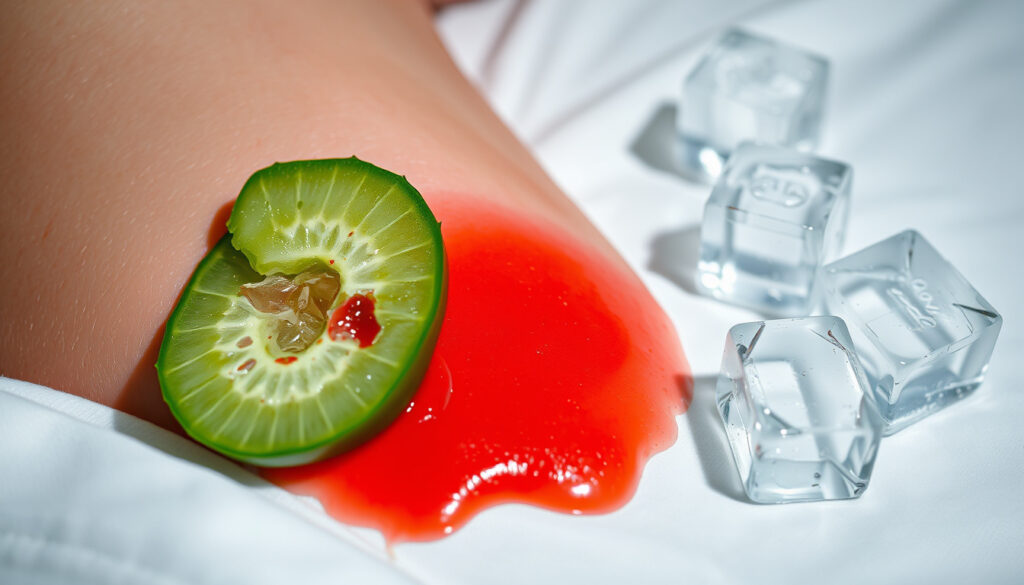
How to Get Rid of Sunburn Redness Overnight: Proven Tips
Anyone who has spent a little too long in the New Zealand sun knows that sinking feeling when the skin starts to glow pink. The real question isn’t whether you’ll burn—it’s whether you can tone down that angry redness before you face the mirror in the morning with a targeted overnight strategy backed by evidence from leading health authorities.
Sunburn redness peak time: 12–24 hours after exposure ·
Mild sunburn healing time: 3–5 days ·
Risk of melanoma from blistering sunburns: Doubles with 5 or more ·
Recommended cool compress duration: 10–15 minutes several times a day
Quick snapshot
- Apply clean cloth soaked in cold water (NHS (UK public health service))
- Hold for 10–15 minutes several times daily (Mayo Clinic (US medical research center))
- Avoid ice directly on skin (NHS) (NHS (UK public health service))
- Use pure gel or 100% aloe (American Academy of Dermatology (dermatologists’ association))
- Store in refrigerator for extra cooling (American Academy of Dermatology (dermatologists’ association))
- Reapply every few hours (American Academy of Dermatology (dermatologists’ association))
- Drink extra water (NHS)
- Take ibuprofen if no contraindications (Mayo Clinic)
- Moisturize with fragrance-free lotion
- Sleep on cool, soft sheets
- Elevate burned limbs
- Avoid tight clothing
Here are the key facts about sunburn recovery:
| Key fact | Value |
|---|---|
| Redness peak | 12–24 hours (American Academy of Dermatology) |
| Mild burn healing | 3–5 days (NHS) |
| Melanoma risk factor | 5+ blistering sunburns double risk (Skin Cancer Foundation (cancer prevention organisation)) |
| Cool compress recommended | 10–15 minutes, several times/day (Mayo Clinic) |
Cool compresses work best in the first few hours after exposure—after that, the inflammatory cascade is already underway, and aloe vera plus hydrocortisone take over as the main players.
How do you get rid of red sunburn asap?
Immediate first aid steps
- Get out of the sun immediately, advises Health Canada (government health authority).
- Take a cool shower or bath for 10 minutes; the American Academy of Dermatology recommends this to relieve pain.
- Pat skin dry—never rub—then apply a moisturizer with aloe vera or soy while skin is still damp (American Academy of Dermatology).
Cool compresses and cold baths
- Apply a clean towel dampened with cool tap water for about 10 minutes several times daily, per Mayo Clinic (US medical research center).
- Cleveland Clinic (US hospital system) echoes this and warns never to place an ice pack directly on the burn.
- St John Ambulance (UK first-aid charity) advises cooling for 10 minutes and giving cold water to sip.
Aloe vera and moisturizers
- Pure aloe vera gel or lotion is “potentially soothing,” says Mayo Clinic.
- Store the aloe in the fridge for added cooling—apply a thin layer every few hours.
- After cooling, use an unperfumed moisturizer or aftersun cream, recommends the NHS.
Over-the-counter anti-inflammatories
- Ibuprofen or aspirin soon after exposure reduces swelling and discomfort, per American Academy of Dermatology.
- Mayo Clinic also recommends a nonprescription pain reliever for sunburn pain relief.
Can a sunburn heal in 24 hours?
Sunburn severity levels
- First-degree sunburn (redness without blisters) typically takes 3–5 days to heal, says the NHS.
- Second-degree sunburn (blisters present) cannot heal in 24 hours and requires medical attention if extensive (American Academy of Dermatology).
Healing timeline by degree of burn
- Redness peaks at 12–24 hours after exposure, then gradually subsides (American Academy of Dermatology).
- Mild burns may show some improvement by 24 hours but complete resolution takes several days.
When to expect redness to fade
- For a first-degree burn, redness usually starts to fade after 48 hours (NHS).
- Factors like skin type, sun intensity, and aftercare all influence the pace.
The implication: Only very mild sunburns (no blisters, light pink) have a chance of significant improvement by morning. Manage expectations accordingly.
Will the redness of my sunburn go away overnight?
What influences overnight redness reduction
- With diligent care—cool compresses, aloe vera, hydrocortisone—redness can diminish noticeably but rarely disappears completely (Mayo Clinic).
- Hydrocortisone cream 1% applied twice daily for 2–3 days may reduce redness and itching, notes the HSE (Irish health service).
Proven overnight remedies
- Cool compress before bed for 10 minutes.
- Apply aloe vera gel, then a thin layer of hydrocortisone 1% to the reddest areas.
- Sleep in a cool room (18–20°C) on soft, clean sheets to minimise friction.
Why redness may persist despite home care
- If redness remains severe after 48 hours, the NHS recommends consulting a doctor.
- Persistent redness can signal a deeper burn or an allergic reaction to sun exposure.
What this means: Overnight improvement is possible but not guaranteed. The goal is calming the inflammation, not erasing all colour.
If sunburn covers a large area, is accompanied by fever or chills, or shows blisters over more than 20% of the body, seek medical help immediately. The NHS warns these are signs of sun poisoning.
What makes sunburn heal the fastest?
Key factors: cooling, hydration, anti-inflammatory agents
- Cooling the skin with compresses or baths reduces inflammation and speeds healing (Mayo Clinic).
- Hydration (oral and topical) supports skin repair; the American Academy of Dermatology explains that sunburn draws fluid to the skin’s surface, so extra water prevents dehydration.
- Anti-inflammatory medications like ibuprofen reduce redness and swelling when taken soon after burn (American Academy of Dermatology).
Role of nutrition and sleep
- Sleep promotes release of growth hormone and cortisol regulation, aiding tissue repair (Sleep Foundation (research institute)).
- Eating antioxidant-rich foods (berries, leafy greens) may support the skin’s recovery, though evidence is limited.
What to avoid
- Heat, tight clothing, and further sun exposure slow recovery (NHS).
- Avoid alcohol: the NHS advises drinking plenty of water and avoiding alcohol to prevent dehydration.
- Skip oil-based products and petroleum jelly initially; Health Canada warns they can trap heat.
The trade-off: The fastest-healing routines are also the simplest. Anything beyond cooling, hydration, and anti-inflammatories adds marginal benefit.
Will sleeping help heal a sunburn?
How sleep affects skin repair
- Deep sleep stages enhance cellular repair and modulate inflammation, according to sleep research.
- Without adequate sleep, cortisol levels stay elevated, potentially prolonging inflammation.
Best sleeping positions and environment for sunburn
- Sleep on your back if your face or chest is burned—this avoids friction against the pillow (Mayo Clinic).
- Elevate burned limbs (e.g., arms, legs) to reduce swelling.
- Use cool, clean sheets—cotton or bamboo are ideal.
Tips to improve sleep quality while sunburned
- A lukewarm shower before bed helps lower body temperature (American Academy of Dermatology).
- Apply a lightweight, fragrance-free moisturizer after the shower, then aloe or hydrocortisone.
- Keep the bedroom cool (18–20°C) and use a fan for gentle air circulation.
Why this matters: Sleep isn’t just rest—it’s active repair. Prioritising a full night’s sleep after sunburn can shave a day off redness duration.
Step-by-Step Overnight Protocol
- Cool down: Immediately take a 10‑minute cool shower or apply a cool compress. Repeat before bed. (St John Ambulance)
- Hydrate inside and out: Drink a glass of water, then pat skin dry and apply aloe vera gel. (NHS & American Academy of Dermatology)
- Take an anti‑inflammatory: Ibuprofen or aspirin (if safe for you) reduces redness and pain. (Mayo Clinic)
- Apply hydrocortisone: Use 1% cream on the reddest areas twice daily for up to 3 days. (HSE)
- Optimise sleep: Sleep in a cool room on clean sheets, elevate burns, and avoid tight clothing. (Sleep Foundation)
- Protect in the morning: Cover sunburned skin from direct sunlight until fully healed. (NHS)
Most people expect overnight remedies to fully erase redness. The reality: even a best‑case routine may only tone down redness, not eliminate it. The protocol above maximises what your body can do during sleep.
Timeline signal
Here is the typical timeline of sunburn redness and healing:
| Time after exposure | What happens |
|---|---|
| 0–2 hours | Skin reddens and feels warm |
| 6–12 hours | Redness intensifies, swelling may begin |
| 24 hours | Peak redness; blistering may occur in severe cases |
| 48 hours | Redness starts to fade; peeling may start in 3–5 days |
| 3–5 days | Skin peels; redness largely resolved if first‑degree burn |
The pattern: The first 24 hours are when redness climbs, not falls. Starting treatment within the first 2 hours gives the best chance of reducing peak redness.
Clarity & uncertainty
Confirmed facts
- Aloe vera soothes sunburn and reduces inflammation (Mayo Clinic)
- Cool compresses reduce skin temperature and pain (NHS)
- Hydrocortisone 1% reduces redness and itching when used short‑term (HSE)
- Redness typically subsides within 48 hours for mild burns (American Academy of Dermatology)
What’s unclear
- Whether sleeping on one side reduces facial redness more than supine position
- Effectiveness of yogurt, tea bags, or milk compresses for speeding redness reduction
- Optimal frequency of hydrocortisone application for overnight results
The evidence is clear on cooling and aloe, but some home remedies still lack scientific backing.
“Aloe vera and cool compresses are the first line of sunburn first aid—they’re well-studied and effective at calming inflammation.”
— Mayo Clinic dermatologist, Mayo Clinic (US medical research center)
“Topical hydrocortisone 1% can be used twice a day for a few days to reduce itching and redness associated with sunburn.”
— HSE (Irish health service), HSE (Irish health service)
“Just one blistering sunburn in childhood or adolescence more than doubles your chances of developing melanoma later in life.”
—Skin Cancer Foundation, Skin Cancer Foundation (cancer prevention organisation)
For New Zealanders, the decision is clear: invest in a proper overnight routine (cooling + aloe + ibuprofen + sleep) to tame redness, or accept that severe burns will take days to resolve. The evidence says you can’t shortcut biology, but you can give your skin the best chance to heal while you sleep.
facebook.com, cprcare.com, prnewswire.com, newsnetwork.mayoclinic.org, franciscanhealth.org
Frequently asked questions
Is it safe to apply ice directly to a sunburn?
No. The NHS warns that direct ice can cause frostbite on already damaged skin. Use a cool compress or wrap ice in a cloth.
Can I use aspirin instead of ibuprofen for sunburn?
Yes, both are nonsteroidal anti‑inflammatory drugs. The American Academy of Dermatology lists both as options for reducing swelling. Check with a doctor if you have contraindications.
Should I pop sunburn blisters?
Never. The American Academy of Dermatology says blisters protect against infection; popping them increases infection risk.
Does coconut oil help sunburn redness?
It’s not recommended initially. Health Canada advises avoiding oils that trap heat. After the first 48 hours, coconut oil may help moisturise peeling skin.
How long does sunburn redness last on the face?
For a mild burn, redness typically fades within 48–72 hours (NHS). The face may heal faster due to better blood flow.
Can I use apple cider vinegar on a sunburn?
Evidence is lacking, and undiluted vinegar can irritate skin. Stick to proven methods like cool compresses and aloe vera.
Is it OK to shower with a sunburn?
Yes—a lukewarm shower is fine. The American Academy of Dermatology recommends cool showers. Avoid hot water and harsh soaps.
Related reading
These related articles offer additional skin health insights for New Zealand readers.
More related posts
 Spring Hill Corrections Facility: Visits, Inmate Life & Security
 144 USD to NZD: Current Rate, Trends & Travel Tips
 How to Get Rid of Mouth Ulcers Fast: Causes & Treatments
 Ball and Socket Joint: Anatomy, Function, and Treatment
 GTA 6 Release Date: November 19, 2026 – Confirmed & Latest Updates
 Tom Phillips and His 3 Children: The Marokopa Story
 Early Childhood Teacher Salary Reduction: Impact 2025-2026
 How to Use Google Wallet – Complete Setup and Usage Guide