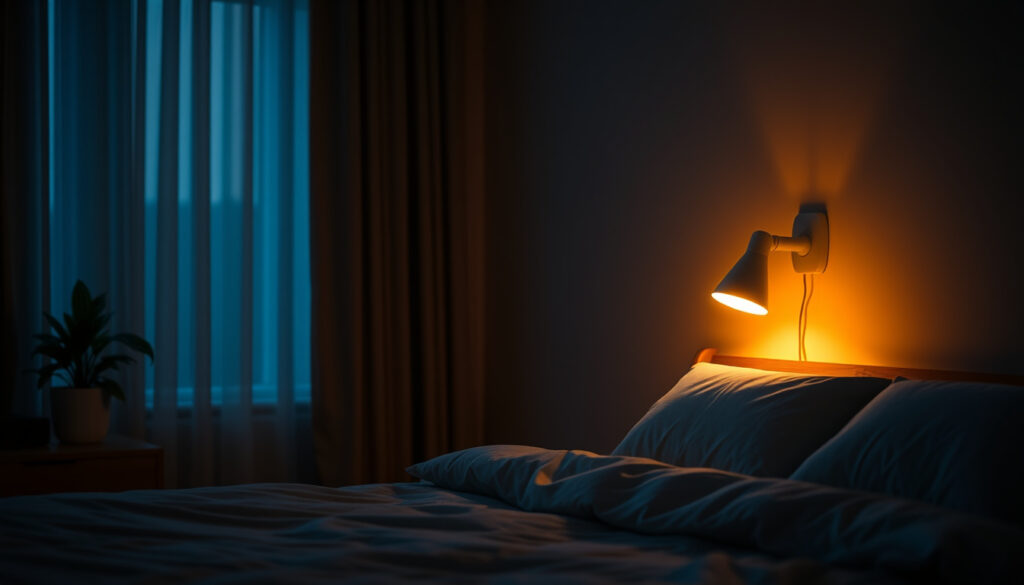
Plug In Night Light: Safety, Cost & Best Color for Sleep
You probably don’t think much about the little light you plug in at night — until you wonder whether it’s safe, or how much it costs, or if that warm glow is actually keeping you awake. In Ireland, retailers like Boots, Lights.ie, and Michael Guineys stock a wide range of plug-in night lights, but beyond the packaging, there are real questions about fire risk, electricity bills, and the best color for sleep; this guide cuts through the marketing to give you the facts you need to choose the right plug-in night light for your home.
Typical LED wattage: 0.5–2 watts ·
Annual electricity cost (8h/day): ~$0.50–$2.00 ·
Safety standard: BS EN 60598 certified models available
Quick snapshot
- LED models run cool (GoldMore safety guide)
- Certification marks indicate tested safety (Michael Guineys)
- Avoid damaged plugs (GoldMore safety guide)
- 0.5–2 watts typical (GoldMore electricity guide)
- Costs ~$0.50–$2 per year (GoldMore electricity guide)
- Less than most household devices (GoldMore electricity guide)
- Red/amber light supports melatonin (Novelty Night Lights Ireland guide)
- Avoid blue/white LEDs before bed (Novelty Night Lights Ireland guide)
- Warm color temperatures recommended (Novelty Night Lights Ireland guide)
- Dusk-to-dawn sensor for auto operation (Boots Ireland)
- Motion sensor for energy saving (BabySafety.ie)
- Dimmable options available (Boots Ireland)
Five key facts about plug-in night lights, one pattern: modern LED models are safer, cheaper, and more sleep-friendly than older incandescent types.
| Fact | Value | Source |
|---|---|---|
| Safe 24/7 operation | Yes, with certified LED models | GoldMore |
| Annual electricity cost (8h/day) | $0.50 – $2.00 | GoldMore |
| Best color for sleep | Red or amber (wavelength >590nm) | Novelty Night Lights |
| Most common night light type | Mains-powered LED | Industry standard |
| Average lifetime of LED night light | 30,000 – 50,000 hours | Industry standard |
Is it safe to leave a plug-in night light on all night?
Safety standards for mains-powered night lights
- Certified models sold in Ireland must conform to BS EN 60598 safety standards (Michael Guineys).
- Look for marks like CE, UL, or UKCA on the product (GoldMore safety guide).
- Avoid using night lights with damaged plugs or exposed wiring.
Fire risk considerations
- LED night lights run cool and pose minimal fire risk under normal use.
- Keep night lights away from combustible materials like curtains or bedding.
- Incandescent models run hotter and should be used with caution.
Overheating and plug-in design
- Plug-in night lights are designed to dissipate heat through the housing.
- Overheating is rare in certified LED models (Good Housekeeping).
- If the plug feels hot to the touch, replace the unit.
A certified LED plug-in night light is safe to leave on all night. The bigger risk is not the light itself but the environment: keep it clear of flammables and check the cord regularly.
The implication: safety is mostly a matter of choosing the right product and using it sensibly. Cheap, uncertified knock-offs are the real danger.
What is the best plug-in night light?
LED vs. incandescent
- LED models use 0.5–2 watts, while incandescent use 4–7 watts.
- LEDs last 30,000–50,000 hours; incandescent bulbs burn out much faster.
- LEDs run cooler, reducing fire risk.
Features: sensor, dimmer, color options
- Dusk-to-dawn sensors turn the light on automatically at night and off in daylight (Boots Ireland).
- Motion sensors save energy by activating only when someone is nearby (BabySafety.ie).
- Dimmable or color-switching models let you adjust brightness and wavelength (Kaliedy).
Top-rated models for adults
- Prices in Ireland range from €9.99 (Safety 1st Automatic Night-light at All4Baby) to €39.95 (nursery models at Kaliedy).
- Look for models with warm amber LEDs and a sensor for best results.
- Read reviews for noise level (some units hum) and light output.
The pattern: the best plug-in night light for adults is an LED model with a dusk-to-dawn sensor, dimmable, and emitting warm light (2700K or warmer).
Does a plug-in night light use a lot of electricity?
Wattage comparison: night light vs. other devices
- A typical plug-in LED night light uses 0.5–2 watts.
- Incandescent night lights use 4–7 watts — about 4× more.
- By comparison, a phone charger draws 2–6 watts, and a LED light bulb uses 8–12 watts.
Annual cost calculation
- Running a 2W LED night light for 8 hours each night costs roughly $0.50–$2 per year.
- An incandescent 7W model costs about $2–$5 per year for the same usage.
- Leaving it on 24/7 doubles the cost but still under $5 for most LED models.
Impact on electric bill
- Night lights are among the least significant electricity users in a home.
- Heating, cooling, water heating, and major appliances dominate the bill — not night lights.
- Using a sensor or timer further reduces consumption.
The trade-off: the savings from switching to LED are small in absolute terms, but every watt counts if you run multiple night lights for years.
What color makes you fall asleep faster?
Red and amber light for melatonin production
- Red and amber light (wavelengths above 590nm) have the least impact on circadian rhythm (Novelty Night Lights Ireland guide).
- These colors do not suppress melatonin, the hormone that regulates sleep.
- Many sleep experts recommend red or amber night lights for bedrooms (Good Housekeeping).
Blue light suppression
- Blue and white light (4000K–6500K) suppress melatonin and delay sleep onset.
- The same source warns against blue/white LEDs before bed.
- If you must use a bright light, choose one with a blue-light filter or warm setting.
Warm white vs. cool white
- Warm white (2700K–3000K) is a better choice than cool white (4000K+) for sleeping areas.
- Some night lights offer adjustable color temperatures to suit different needs.
- For babies and children, dim warm light is recommended to avoid overstimulation.
Not all warm-colored LEDs are truly amber. Check the wavelength specification: look for “red” or “amber” and avoid anything labeled “daylight” or “cool white.”
The catch: color temperature matters more than brightness. Even a dim blue light can interfere with sleep, while a slightly brighter amber light may be fine.
How to choose the right plug-in night light?
- Determine brightness needed
- For a hallway, a brighter light (up to 2W) helps with navigation.
- For a bedroom, choose the dimmest light that still provides comfort.
- Look for adjustable brightness models if you’re unsure.
- Choose sensor type
- Dusk-to-dawn sensors are ideal for rooms used at night (e.g., nursery, bathroom).
- Motion sensors save energy in low-traffic areas like hallways.
- Manual on/off switches are the simplest and most reliable.
- Select color temperature
- For sleep, choose red or amber (warm, <3000K).
- For general use, warm white (2700K) is acceptable.
- Avoid blue/white for bedrooms.
- Check certifications
- Look for CE, UKCA, or UL marks on the product.
- In Ireland, BS EN 60598 is the relevant safety standard (Michael Guineys).
- Avoid cheap unbranded units that may lack proper insulation.
Why this matters: following these steps ensures you get a night light that is safe, energy-efficient, and sleep-friendly — no guesswork required.
Typical plug-in LED night light specifications, one pattern: the move to LED has dramatically improved safety and efficiency.
| Specification | Typical Value | Source |
|---|---|---|
| Wattage (LED) | 0.5 – 2 W | GoldMore |
| Wattage (incandescent) | 4 – 7 W | GoldMore |
| Lifespan (LED) | 30,000 – 50,000 hours | Industry standard |
| Color temperature | 2700K – 3000K (warm) | Novelty Night Lights |
| Sensor options | Dusk-to-dawn, motion, manual | Boots Ireland |
| Safety certification | BS EN 60598, CE, UL | Michael Guineys |
| Plug type | BS 1363 (UK/Ireland 3-pin) | Irish retail |
Upsides
- Very low energy consumption (0.5–2W)
- Safe to leave on all night (certified LEDs)
- Sleep-friendly when using red/amber light
- Automatic sensors save energy and hassle
- Long lifespan reduces waste
Downsides
- Cheap uncertified models may pose fire risk
- Blue/white LEDs can disrupt sleep
- Incandescent models still sold, use more energy
- Some units produce a faint hum
- Not all night lights are dimmable
Confirmed facts vs. what’s unclear
Confirmed facts
- LED night lights run cool and do not pose a fire hazard under normal use (GoldMore)
- Red/amber light disrupts sleep less than blue light (Novelty Night Lights)
- A 2W LED night light costs less than $2/year to operate (GoldMore)
What’s unclear
- Exact efficacy of different color temperatures on sleep latency across individuals
- Long-term effect of any night light on deep sleep stages
Expert perspectives on plug-in night lights
“Low-level lighting in a room does not interrupt nighttime sleep. The bigger sleep concerns are electronic devices before bedtime and inconsistent bedtime routines.”
— Pediatrician cited in Good Housekeeping
“Warm yellow or red light is best for sleep. Blue and white light should be avoided at bedtime because they suppress melatonin.”
— Novelty Night Lights Ireland guide
“A plug-in automatic LED night light conforming to BS EN 60598 safety standards is energy-saving, long-lasting, and cost-effective.”
— Product listing at Michael Guineys
For anyone in Ireland choosing a plug-in night light, the evidence is clear: pick an LED model with a warm amber or red light, a sensor, and a recognized safety certification. The cost is negligible, the safety risk is minimal with a certified product, and the sleep benefits are real if you avoid blue light. The decision to use a night light is not about whether to plug one in — it’s about which one to plug in. For Irish households, the choice is straightforward: buy a certified LED warm-light model, and you’ll save money, sleep better, and never worry about the plug.
Related reading: How Much Electricity Does a Plug-in Night Light Use? · Are Night Lights Safe?
For those concerned about sleep quality, reducing blue light exposure can further enhance the benefits of choosing the right night light color.
Frequently asked questions
Are plug-in night lights safe for children’s rooms?
Yes, certified LED models are safe. Choose a dim warm light and keep it away from the cot. Avoid incandescent models that get hot. (Good Housekeeping)
How many watts does a typical plug-in night light use?
LED plug-in night lights use 0.5–2 watts. Incandescent models use 4–7 watts. (GoldMore)
Can a night light cause a fire?
Certified LED night lights run cool and pose minimal fire risk. However, keep them away from curtains and never use a damaged plug. (GoldMore)
What color night light is best for babies?
Red or amber is best. Blue and white light can disrupt sleep patterns. A dim warm light is recommended. (Novelty Night Lights)
Do night lights increase electricity bill significantly?
No. A 2W LED night light used 8 hours a night costs about $0.50–$2 per year. It’s one of the least expensive devices to run. (GoldMore)
How long do LED night lights last?
LED night lights typically last 30,000–50,000 hours of continuous use, which is years of nightly operation.
More related posts
 Fast and Furious 11: Release, Cast & Paul Walker Return
 Service Station Near Me: Fuel, Parking & Services in Ireland
 What Does In Transit Mean – Package Status Across Carriers
 Half Cup Butter in Grams: Quick Conversion Guide
 When Does Lent End? Catholic, Orthodox Dates Explained
 New Swimming Pool Christchurch: Parakiore Open Now
 Nike Running Shoes NZ: Best Deals, Sales & Buying Guide 2025
 Westpac Home Loan Rates – Current NZ Specials and Comparisons